
How I Got My US Visa for USMLE on the First Try (& How You Can Too)

Did you know that in some countries, more than half of US visitor visa applications are rejected every year? Yeah, it’s a tough crowd. I know that statistic because, once upon a time, I was sweating bullets over my own application.
Fast forward to today, I got my US visa on my very first try—without any drama or late-night panic attacks. How? By having a solid strategy and sticking to it.
This isn’t just about ticking boxes on a form. I’m going to share everything I did to ace my visa application for the USMLE and give you practical tips so you can do the same. Let’s jump right in.
1. Nail Your Reason for Visiting the US
Let’s get straight to the point: the visa officer doesn’t care about your vacation selfies or bucket list. They want a solid, professional reason for your visit. Your job? Make it impossible for them to say no.
Here’s what worked for me:
- Be specific, not vague: Don’t just say, “I’m going for a test.” Show them you’ve done your homework.
- Example: “I’m taking the USMLE Step 3 exam on [specific dates], and I’ve registered for a medical conference happening the same week.”
- Bonus points if you’re presenting research. Submitting an abstract for the conference will make your case even stronger.
- Plan smart: Align your trip with professional activities that matter. For me, combining the USMLE with a conference wasn’t just a box-ticker—it added weight to my application and boosted my CV.
Pro tip: Visa officers love seeing effort. Bring your conference registration, exam schedule, and any other proof of your plans. It shows you’re serious and organized.
2. Prove You’re Not Moving to the US
Here’s the thing: Every visa officer is trained to look for one thing—are you secretly planning to stay in the US forever? If they even get a whiff of that vibe, your application is toast.
So, how do you convince them otherwise?
- Short trips for the win: Keep your itinerary tight. A week or two is perfect. I told them exactly how long I’d be staying, gave specific dates, and had the paperwork to back it up.
- Stick to your timeline: Book your return ticket before the interview. Show them you’ve planned your exit.
- No gray areas: Avoid language that sounds open-ended. You’re not there to “explore opportunities” or “see what happens.” You’re there for your exam and leaving as soon as it’s done. Period.
Think of it like borrowing a friend’s car—you’re not staying forever; you’re just using it for a quick errand and returning it in one piece.
3. Build Strong Ties to Your Home Country
This part is non-negotiable. You’ve got to prove that your life is firmly anchored back home. If they think you’ve got one foot out the door, it’s game over.

Here’s how I made my case rock-solid:
- Show your job matters: I brought a letter from my employer confirming I had a job waiting for me. If you’re self-employed, documents like business ownership papers can do the trick.
- Family ties count: Got dependents or a close-knit family? Mention that. I explained that I had personal and family commitments back home, which gave the visa officer no reason to doubt my return.
- Own something? Prove it: Whether it’s property, a car, or investments, having assets shows you’re not about to abandon everything and bolt.
Quick tip: Have these documents ready, but don’t shove them in the officer’s face unless asked. Confidence is key.
4. Avoid the Mistakes That Lead to Rejections
Ever hear those horror stories of visa rejections? Sometimes it’s bad luck, but more often than not, it’s because of avoidable mistakes. Here’s how to dodge the most common pitfalls:

- Overstaying on past visas: If you’ve overstayed before, prepare for extra scrutiny. Stick to your timeline this time.
- Unclear plans: If you don’t have a detailed itinerary, it looks sketchy. Bring proof of your plans—conference details, test dates, hotel bookings, the works.
- Unprepared interviews: Practice what you’ll say. You don’t need to memorize a script, but you should be ready to explain your plans clearly and confidently.
- Using the wrong visa: The visitor visa isn’t a workaround for long stays or job hunting. If you misuse it, you’re risking more than just rejection.
Think of this process like baking a cake. Follow the steps, don’t wing it, and you’ll avoid a disaster.
5. Simplify Your Application Process
Let’s be real—visa applications are overwhelming. But they don’t have to be if you break the process into smaller steps.
- Do your research: Head to the U.S. embassy’s website for your country. They’ll have a list of everything you need.
- Gather your documents: This includes:
- A valid passport (duh).
- Proof of your professional purpose (like a USMLE scheduling permit or conference registration).
- Evidence of strong ties to your home country (job letters, property papers, family info).
- Bank statements showing you can afford the trip.
- Book your appointment: Don’t wait until the last minute—slots fill up fast.
- Practice your interview: You’ll likely be asked about your plans, your finances, and your intent to return home. Keep your answers short and clear.
6. Need Extra Help? Get Expert Guidance
If you’re feeling stuck, there’s no shame in asking for help. I worked with a career advisor who specializes in IMGs, and it made a huge difference. They walked me through the process, gave me a checklist, and even helped me prep for my interview.

Here’s what expert guidance can offer:
- Personalized advice based on your situation.
- Insights into what visa officers look for.
- Extra confidence when walking into your interview.
Check out IMG Secrets. They’ve helped countless IMGs navigate the process, and they know all the tricks to get it right the first time.
7. Final Words: Set Yourself Up for Success
Getting your US visa on the first try isn’t magic—it’s about showing up prepared. To wrap this up, here’s what worked for me and can work for you too:
- Have a solid, professional reason for visiting the US.
- Prove your plans are temporary and that you’re leaving when you say you will.
- Show ties to your home country that make staying away impossible.
- Avoid rookie mistakes like incomplete documents or vague answers.
You’ve got this. It’s just a matter of staying organized, being honest, and showing the visa officer that you’re exactly who you say you are. So, get your documents in order, practice your interview, and walk into that embassy with confidence. You’re one step closer to smashing your USMLE goals.
If you’re feeling uncertain or need guidance, IMG Secrets is here to help. From preparing your documents to nailing the interview, we’re your partner in making the visa process as smooth as possible.
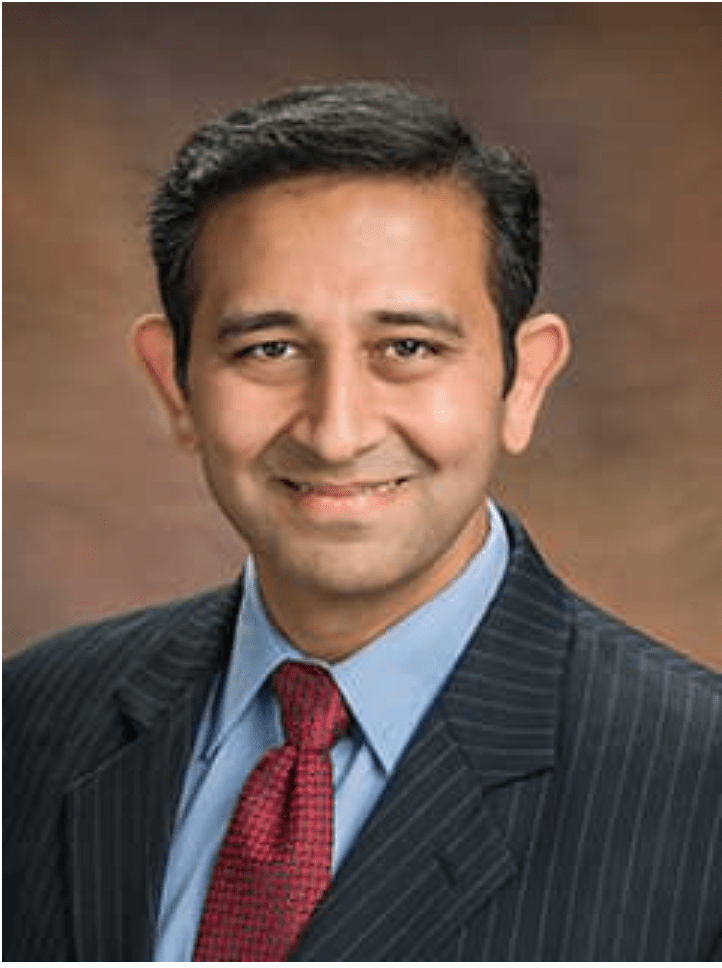
Dr. Rajeev Iyer MBBS, MD, MS, FASA (USA)
Associate Professor of Anesthesiology
University of Pennsylvania,
Philadelphia, USA
Disclaimer: The views and opinions expressed in this article are solely those of the author and do not reflect the official policy or position of the University of Pennsylvania or any other institution or entity.